

7-Year Rule and Care Home Fees – The Truth Behind the Myth Revealed
The "7-year rule" in the context of care home fees is often misunderstood, leading to myths and confusion. Here's a clear explanation of the truth behind this concept:
✅ What Is the "7-Year Rule"?
The “...
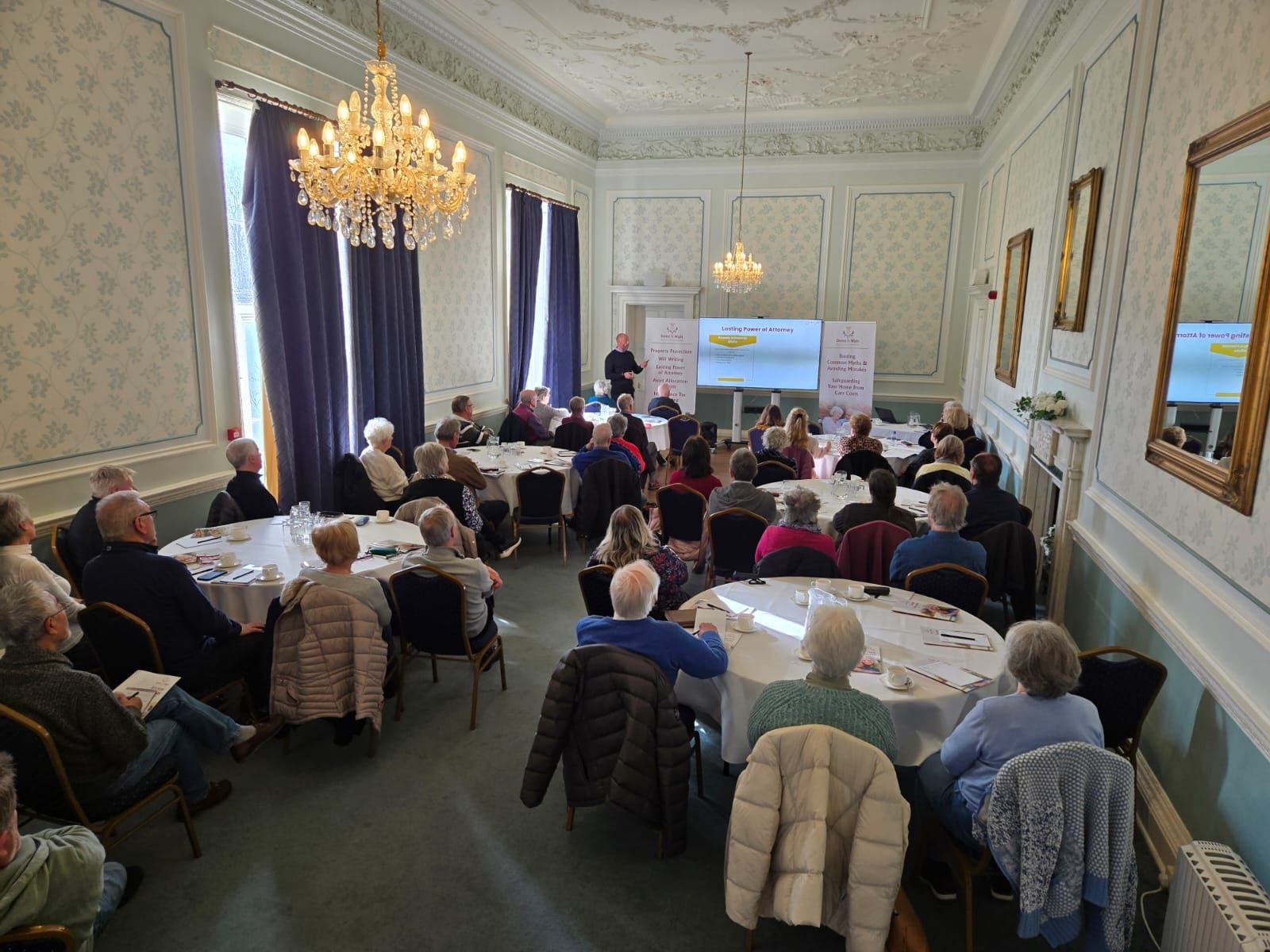
What to Expect at the Seminar!
Attending a Dorset and Wight Estate Planning Seminar offers a valuable opportunity to gain insights into essential aspects of estate planning. These free, community-focused seminars are designed to h...

Pros and Cons of being a Executor
An executor is a person or institution appointed in a will to carry out the instructions of the deceased person (the testator) after their death. The role of the executor is crucial in ensuring that t...
UK Spring Statement
UK Spring Statement 2025 introduced significant changes affecting inheritance tax (IHT) planning. Key developments include:
- Determination of IHT Liability Based on Residency: Effective from 6 April 2...

Gifted Property and Capital Gains Tax?
In the UK, when you gift property, there can be implications for Capital Gains Tax (CGT), even though no money changes hands in the transaction. Here's a general outline of how it works:
1. Gifted Prop...

What is a Living Will?
In the UK, the term "living will" is often used interchangeably with "advance directive" or "advance decision". It refers to a legal document that allows an individual to express their wishes about me...
How do I plan for my estate?
Planning for your estate distribution in the UK follows a similar process to other countries, but there are specific legal considerations and tax rules that apply. Here’s a step-by-step guide on how t...

What is Probate and how does it affect (IHT)?
Probate and IHT (Inheritance Tax) are related but distinct concepts in the context of managing a deceased person's estate.
1. Probate:
Probate is the legal process by which a deceased person’s will is v...
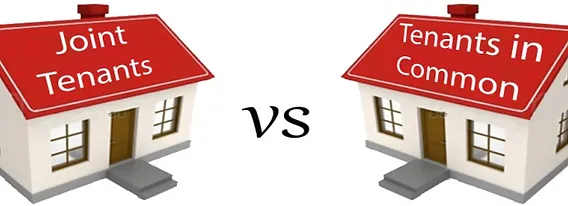
What is Tenants in common (TIC)?
Tenants in common is a legal term used to describe a form of property ownership where two or more individuals share ownership of a property, but each has a distinct, separate share. Here’s a breakdown...

Whats the difference between a Will Trust and Living Trust?
A Will Trust and a Living Trust are both estate planning tools, but they serve different purposes and work in distinct ways. Here's a breakdown of the key differences:
Living Trust (also known as an In...
What is the Court of Protection?
The Court of Protection is a specialist court in the UK that makes decisions on behalf of people who are unable to make decisions for themselves due to mental incapacity. This could be because of cond...

What is the RNRB (Residents Nil Rate Band)?
The RNRB stands for Residence Nil-Rate Band. It's a tax allowance in the UK, introduced in 2017, that provides an additional inheritance tax (IHT) exemption on the value of a person's home when it is ...

How are care fees calculated ?
the UK, care fees—particularly for elderly people who require care in a residential or nursing home—are influenced by several factors. The calculation of these fees depends on a variety of personal an...

What is a family trust ?
A family trust is a legal arrangement that allows individuals (trustees) to manage and protect assets for the benefit of specific individuals (beneficiaries), typically within a family. It is a popula...

What different types of Power of Attorney are there ?
In UK law, lasting power of attorney (LPA) and enduring power of attorney (EPA) are legal instruments that grant one person (the attorney) authority to make decisions on behalf of another person (the ...

Why do I need a will ?
A will is more than just a legal document—it’s a powerful tool that ensures your wishes are honoured and your loved ones are cared for after you pass away. Despite its importance, many people put off ...
We provide FREE home visits and advice for all your Will and Estate Planning needs.

